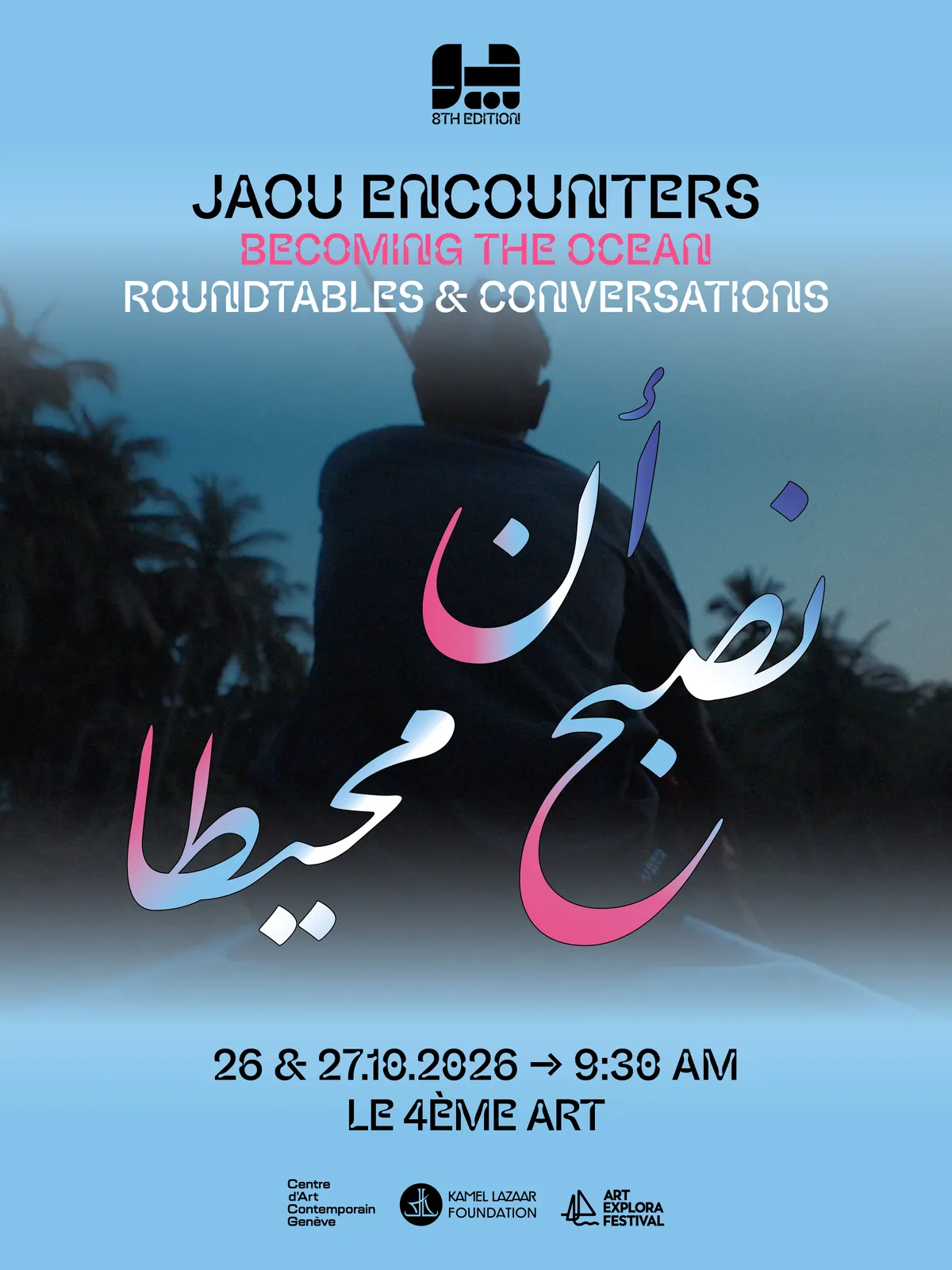
Becoming the Ocean begins from the proposition that we are living through an extinction burst: a moment when political, historical, technological and epistemological systems intensify precisely because they are approaching the limits of their capacity to organise the world.
Across two days, Jaou Encounters brings together artists, writers, researchers and political thinkers to consider what happens when inherited structures no longer hold, and what forms of knowledge, relation and political imagination must be produced in response.
The programme moves between different scales: international law and the Mediterranean border regime, contested memory and artificial intelligence, the production of evidence and the instability of the image itself.
Programme
Day 01Monday 26 October · 10:00 – 14:55
- Mon 26 Oct10:0010:4545 minOpening conversation
The Architecture of Evidence
Anthony Downey, Mohammed El-KurdRead moreJaou Encounters opens with a conversation between Mohammed El-Kurd and Anthony Downey on evidence, credibility and the contested production of truth.
Drawing on El-Kurd’s Perfect Victims, the discussion will consider a defining paradox of the present: evidence has never been more abundant, yet accountability remains persistently deferred. In an age of satellite imagery, open-source investigations, architectural forensics, AI, testimony and international law, the question is no longer simply how violence is documented, but how such documentation is received, adjudicated and, in these times, refused.
The conversation asks how suffering is rendered legible, who is authorised to speak, and why certain lives are required to submit again and again to the burden of proof. It will also consider what happens when the institutions charged with establishing truth and legitimacy no longer command the authority they claim.
Situating Perfect Victims within a wider inquiry into the politics of evidence, this opening conversation introduces a question that will recur throughout Jaou Encounters: when evidence itself becomes a site of struggle, who gets to be believed?
- Mon 26 Oct10:4513:052h20Chapitre I
The International Order
2 PanelsRead moreHow do political systems behave when they approach the limits of their legitimacy?
War, migration, ecological collapse and economic instability are often described as distinct crises. This first chapter considers them instead as interconnected symptoms of an international order reaching the limits of its authority.
If the postwar international order once presented itself as a structure capable of regulating conflict, protecting rights and mediating relations between states, its authority today appears increasingly compromised. International law is invoked even as it is ignored. Borders become more porous to capital while becoming more violent towards people. Extraction intensifies across territories already living with the consequences of ecological and political exhaustion.
The question, then, is not simply whether an old order is collapsing. It is what new political realities are already being produced through its failures—and who will have the agency and power to shape them.
Venue: Le Rio
Inside this chapter
This conversation considers sovereignty, extraction, borders, displacement and planetary interdependence at the scale of the political system.
It asks what forms of power are consolidating as older institutions lose legitimacy, but also what political languages are emerging elsewhere: through solidarity, refusal, artistic practice, Indigenous knowledge and forms of collective organisation that do not necessarily begin with the nation state.
- Speaker
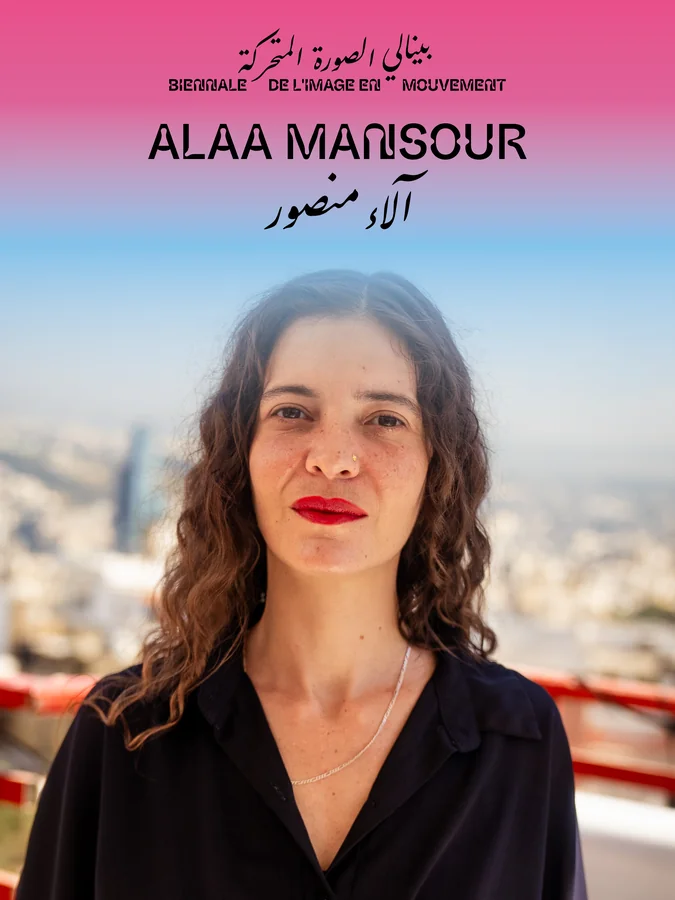 Alaa Mansour
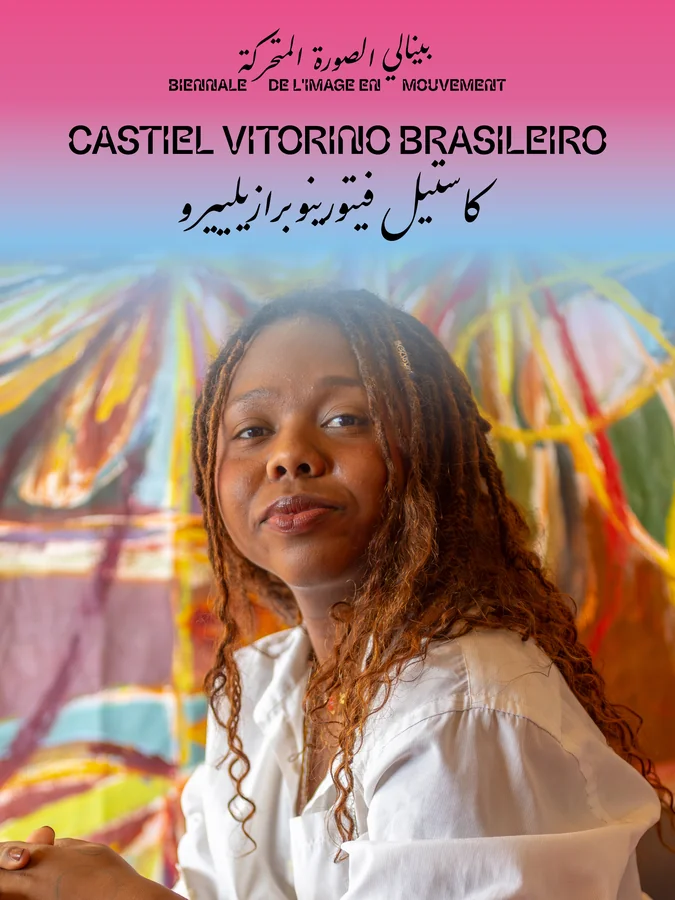 Castiel Vitorino
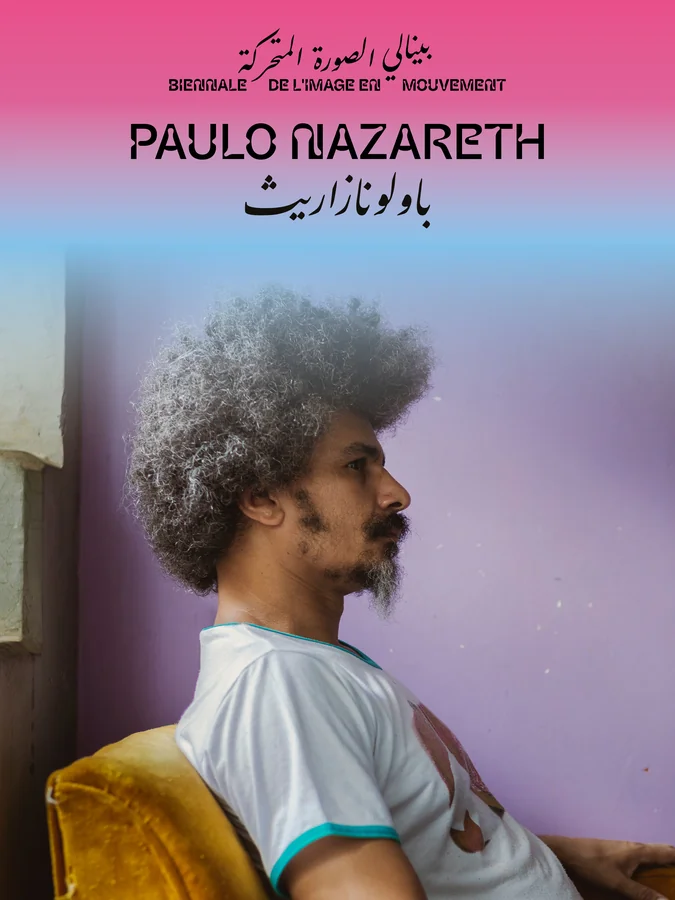 Paulo Nazareth
- Moderator
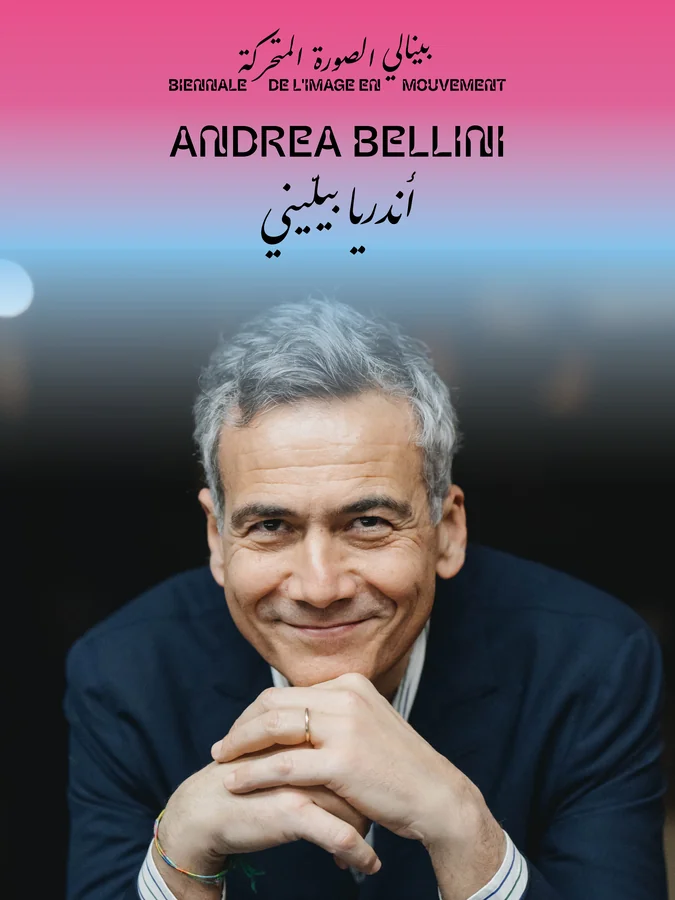 Andrea Bellini
The Mediterranean offers a particularly stark account of the contradictions raised in the preceding conversation.
For centuries it has been a space of circulation, trade, conquest, cultural exchange and exile. Today it is also one of the clearest sites at which the unequal distribution of mobility becomes visible. Some move through it with ease. Others encounter detention, surveillance, waiting, disappearance and death.
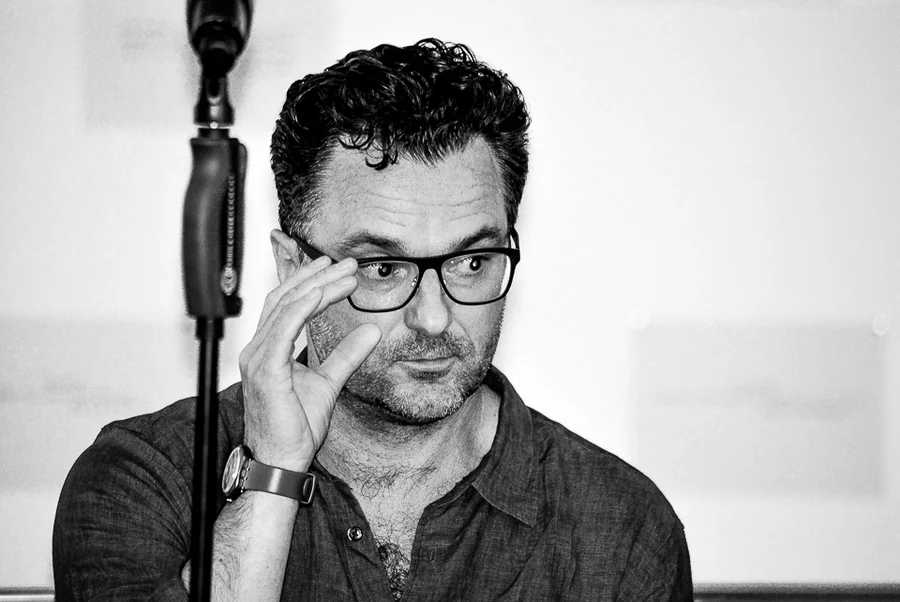
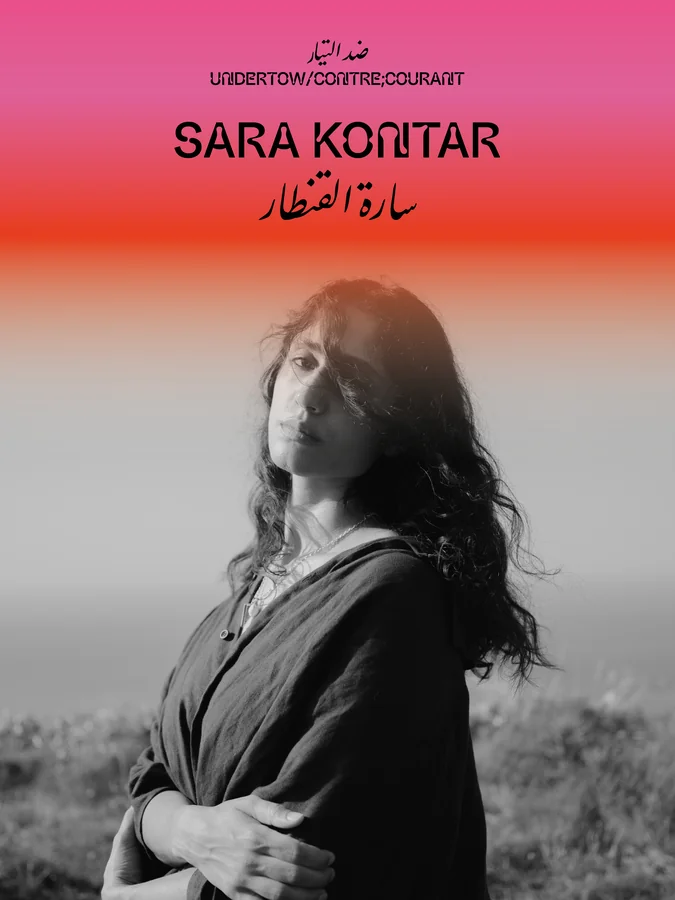
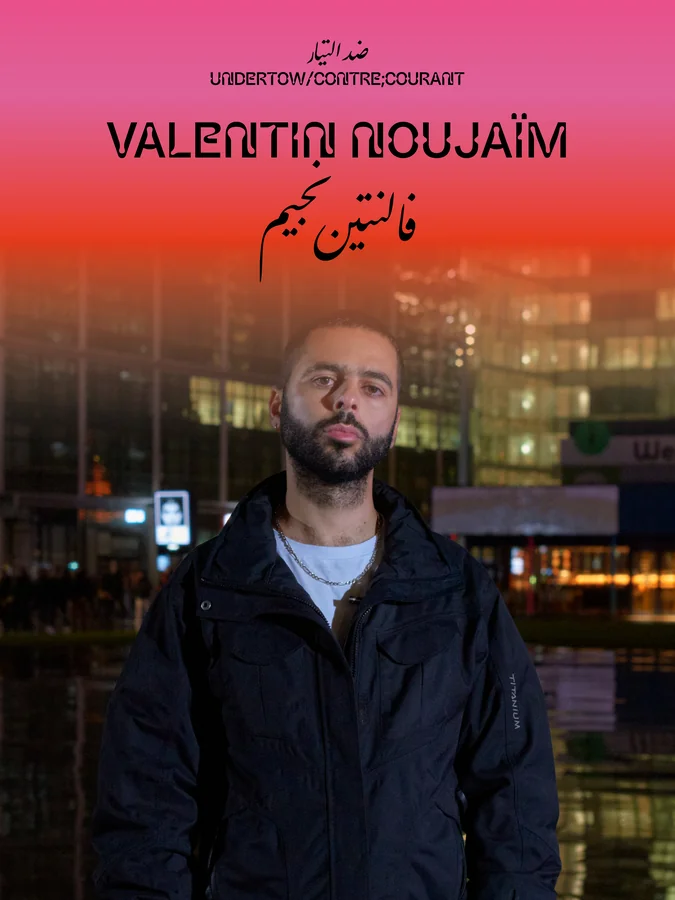
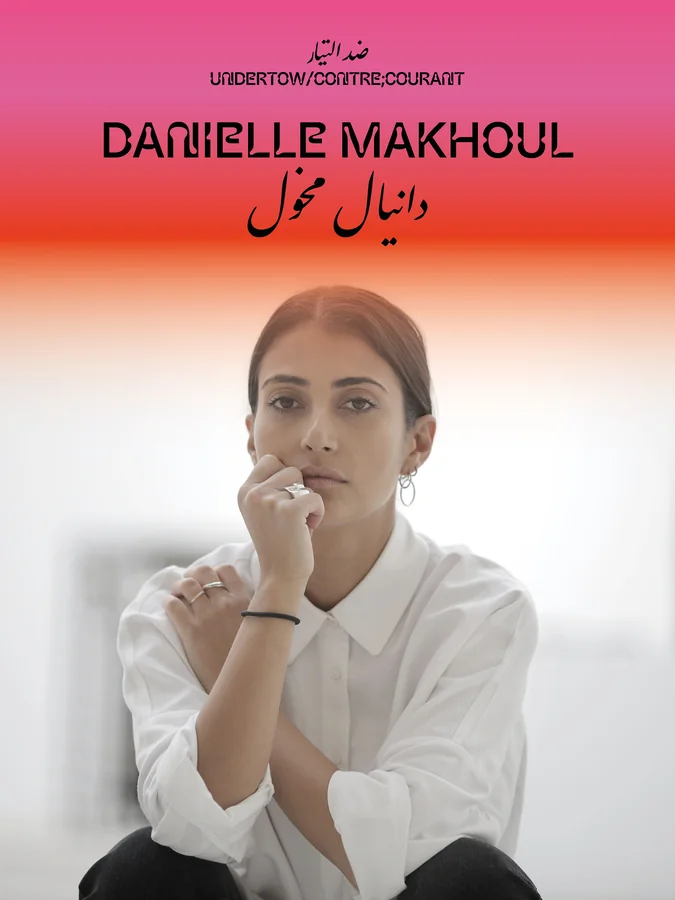
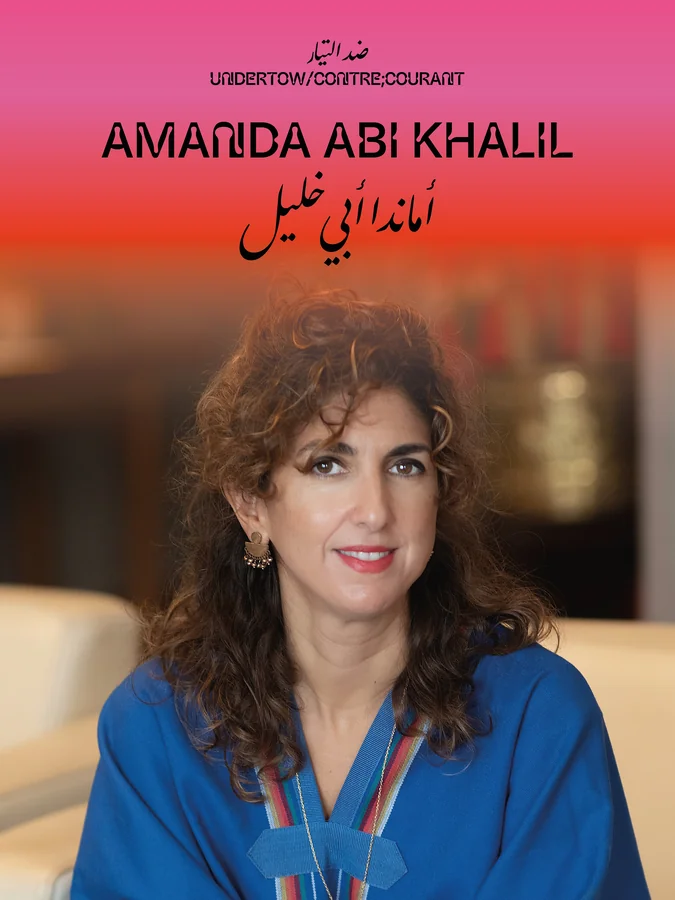
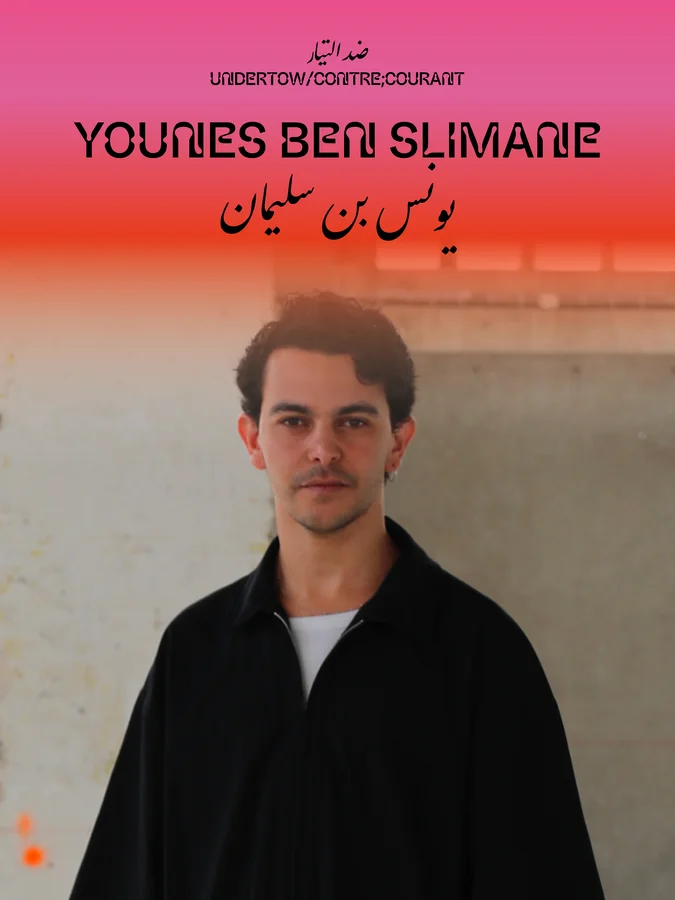
Taking Contre; Courant / Undertow as its point of departure, this conversation moves beneath the familiar image of the Mediterranean as a shared cultural space to consider the political structures governing who may cross it, under what conditions, and at what cost.
What does hospitality mean when movement itself is unequally distributed? What forms of responsibility exist between host and guest when those categories are shaped by colonial histories, economic asymmetry and contemporary border regimes? What kinds of testimony emerge from a sea that has become simultaneously route, archive and grave?
Here, the abstractions of the international order acquire a body. Borders become journeys. Sovereignty becomes waiting. Policy becomes the possibility or impossibility of arrival.
- Mon 26 Oct13:3514:551h20Chapter II
Memory
1 Keynote · 1 PanelRead moreVenue: Le Rio
Inside this chapter
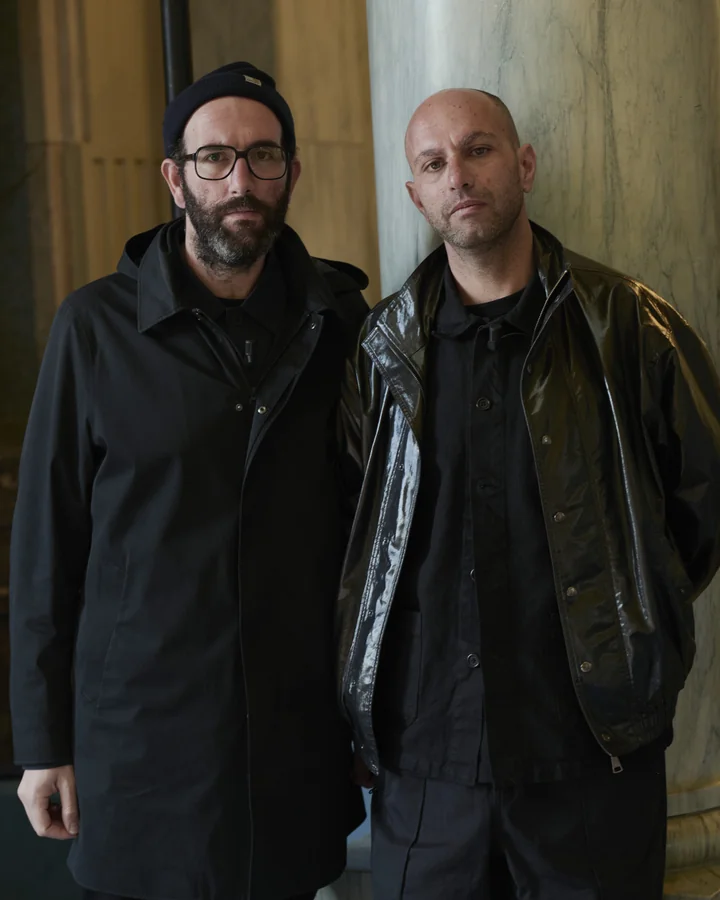
Who determines what survives? Memory does not reside only in archives or monuments. It is also embedded in materials, techniques, landscapes, sounds and ways of making together. Drawing from their work across architecture, stone, craft, Radio AlHara and Wonder Cabinet, Elias and Youssef Anastas consider who gets to determine which forms of knowledge endure, how they are carried forward under conditions of rupture and displacement, and what happens when preservation becomes not an act of fixing the past, but of continually remaking it.
From Palestine, their practice asks how cultural memory can survive without becoming static, how inherited forms of knowledge can remain alive through use, adaptation and transmission, and how the intensely local can generate new networks of solidarity beyond geography.
Who determines what survives?
Memory is not simply the recovery of what has been lost. It is also a struggle over what may remain visible.
Archives disappear. Histories are rewritten. Landscapes are transformed. Forms of collective memory are absorbed into national narratives or pushed to their margins.
At the same time, memory persists in less governable places: bodies, gestures, images, family histories, oral traditions, landscapes and artistic practices.
This chapter asks who decides what will continue to matter. It considers memory as a political practice, and the archive not only as a repository of the past but as a field where the present is contested.
Every crossing leaves something behind, but it also carries something forward.

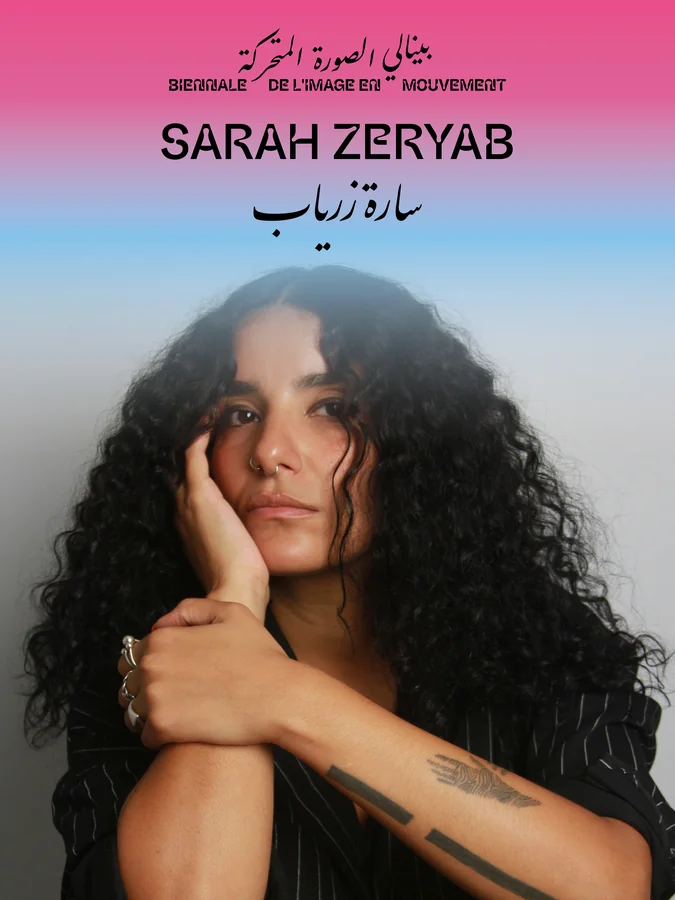
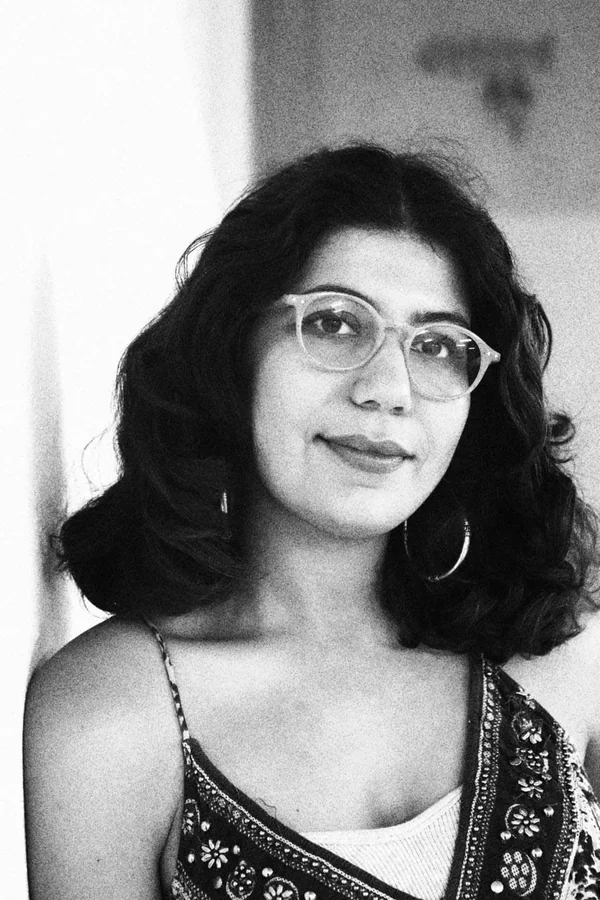
Day 02Tuesday 27 October · 09:30 – 13:45
- Tue 27 Oct09:3010:501h20Chapter III
Intelligence
1 Keynote · 1 PanelRead moreInside this chapter
In what ways do LLMs change the way we know ourselves and the world? Large Language Models, accessed via ChatGPT, Claude, Gemini or DeepSeek interfaces, are rapidly becoming a go-to cognitive prosthesis for millions of people. The global information space is fragmenting into irreconcilable conflict, and yet a shared world is meanwhile being rapidly reconstructed and held together through a forced dependency on these infrastructures. What is the nature of these infrastructural shared worlds? And what matters, politically, in how these are funded, built, trained, productised and described? This talk surfaces key contestations and the spaces currently open for experimentation in building shared worlds that benefit the global majority.
- Speaker
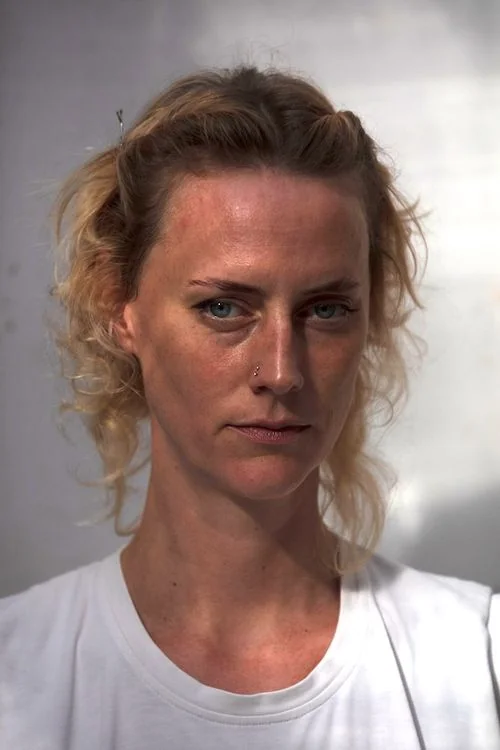 Jaya Klara Brekke
What forms of knowledge will shape the next century?
Artificial intelligence has become one of the dominant languages through which the future is imagined. Yet intelligence has never belonged exclusively to computation.
This chapter widens the field. It places machine intelligence alongside embodied knowledge, Indigenous epistemologies, ritual, speculation, intuition and nonhuman forms of perception.
The question is therefore about the kinds of knowledge contemporary societies choose to recognize, and what forms of intelligence have been marginalised by modern systems of classification and expertise.
What if the future of intelligence depends less on producing ever more powerful machines than on recovering a richer understanding of consciousness, relation and the limits of knowing?
- Speaker
 Y 7
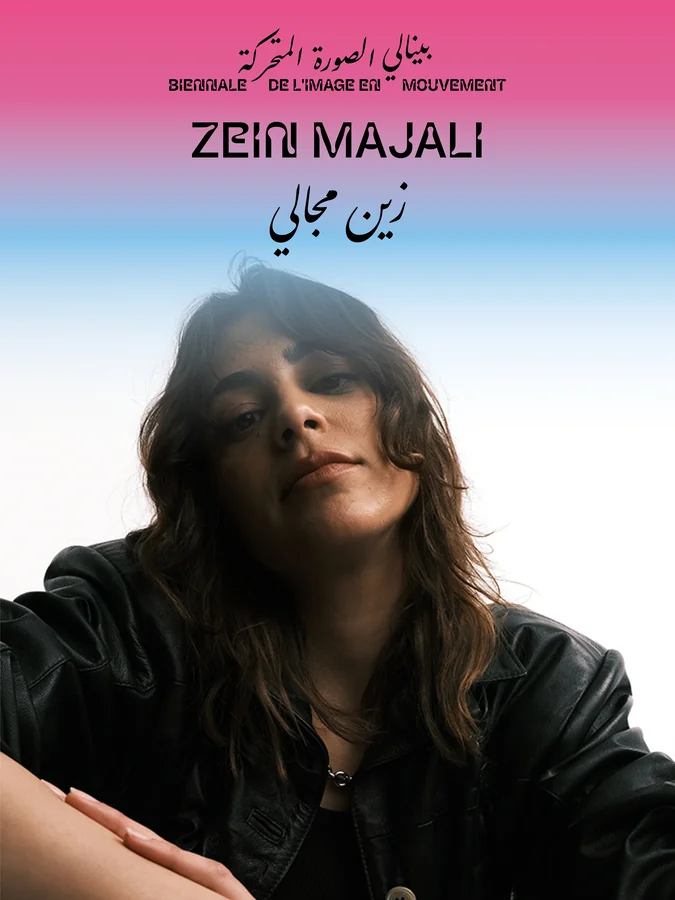 Zein Majali
 Natasha Tontey
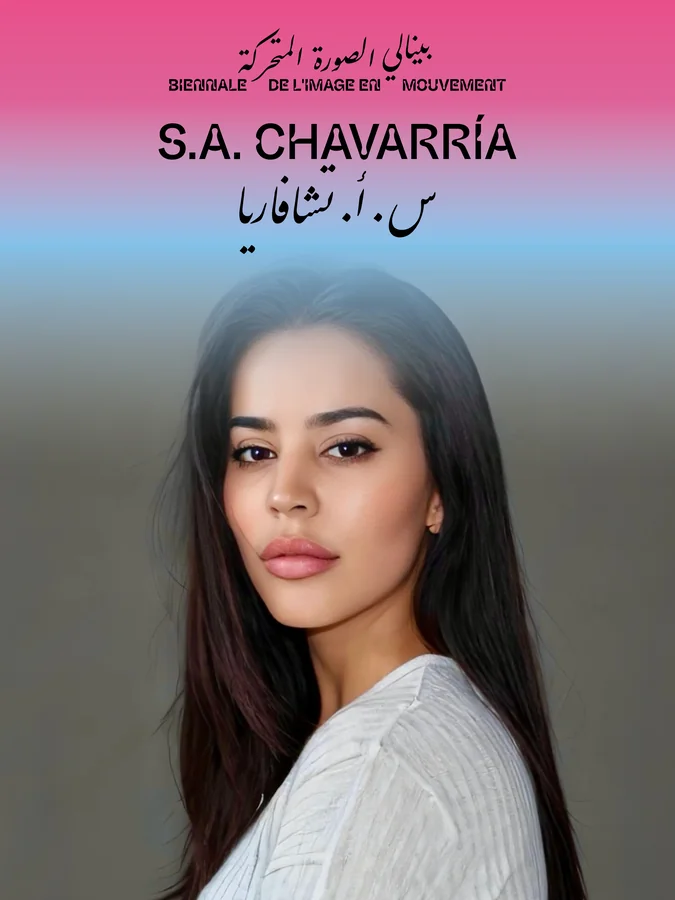 S.A. Chavarría
- Moderator
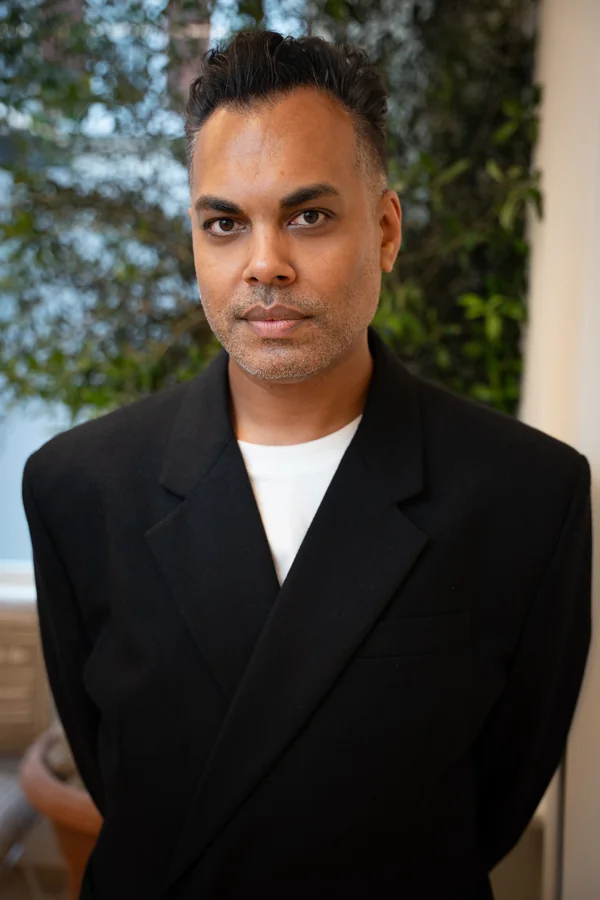 Shumon Basar
- Tue 27 Oct11:1012:301h20Chapter IV
Truth
1 Keynote · 1 PanelRead moreInside this chapter
In an age of increasing confusion, many want to return to truth as a stable set of incontrovertible, objective facts. But can truth be contained by what we can name, describe and understand? Is it possible to preserve both truth and freedom? Drawing on contemporary philosophy and traditional theology, Federico Campagna explores the limits of our claims to truth and asks how we might acknowledge what exceeds them without abandoning the possibility of multiple narratives of the world.
- Speaker
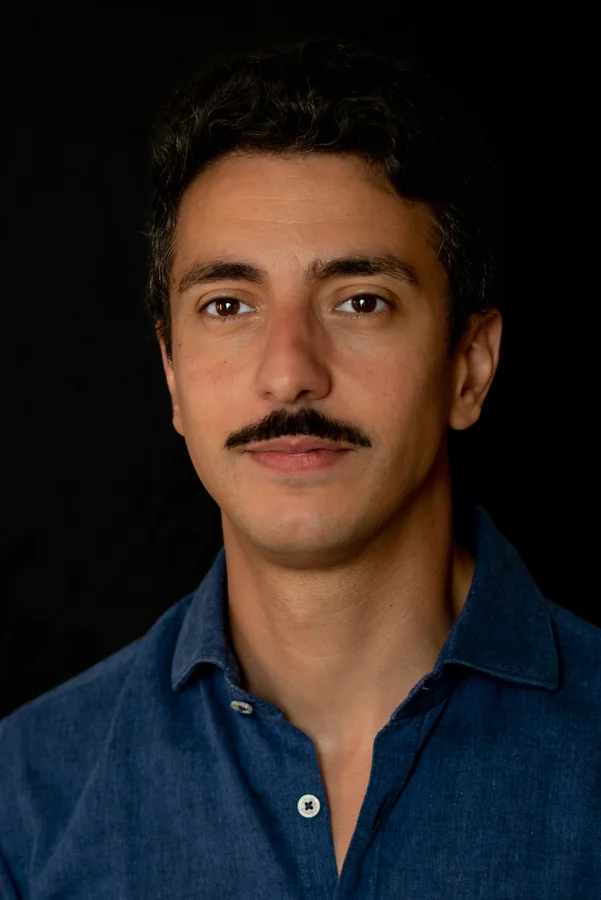 Federico Campagna
What becomes of reality when certainty itself begins to dissolve?
Images once carried at least the promise of evidence. Today they circulate through systems capable of producing, altering and targeting reality at extraordinary speed.
Synthetic media, algorithmic feeds, surveillance technologies and cognitive warfare have unsettled the relationship between seeing and knowing. The image does not simply record political events. Increasingly, it participates in producing them.
This final chapter returns to the question with which we began. If evidence is contested and perception itself can be manipulated, what forms of critical attention remain available to us?
The conversation considers whether artistic practice might offer something other than another claim to certainty: forms of looking, listening and interpretation capable of holding ambiguity without abandoning political responsibility.
- Speaker
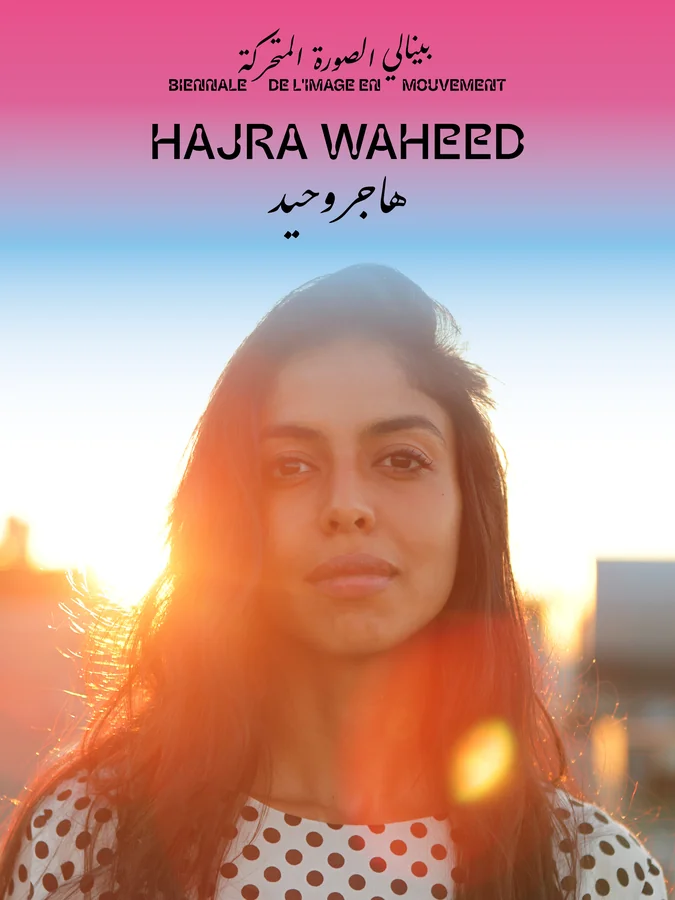 Hajra Waheed
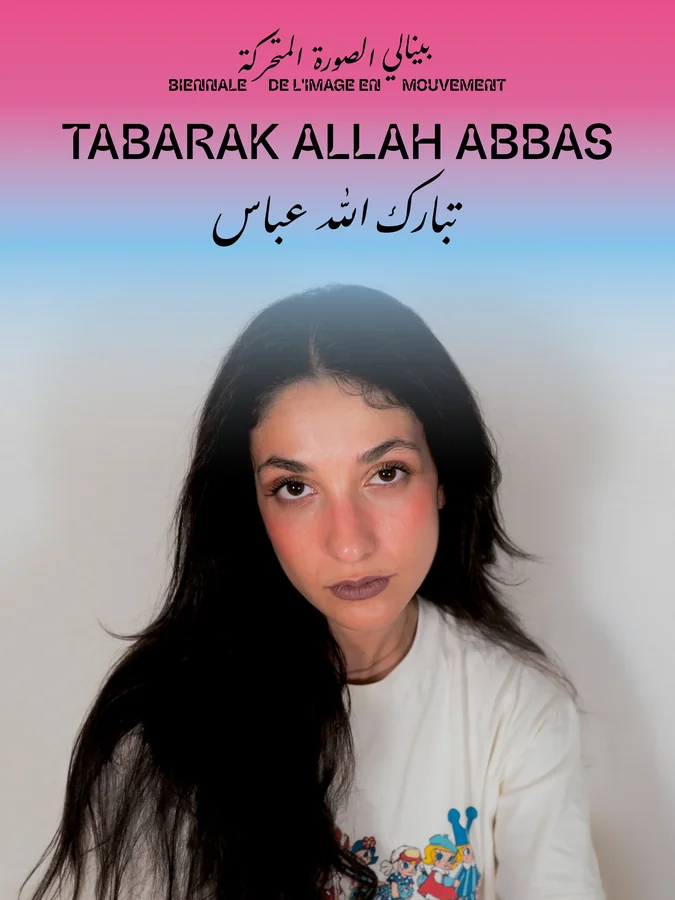 Tabarak Allah Abbas
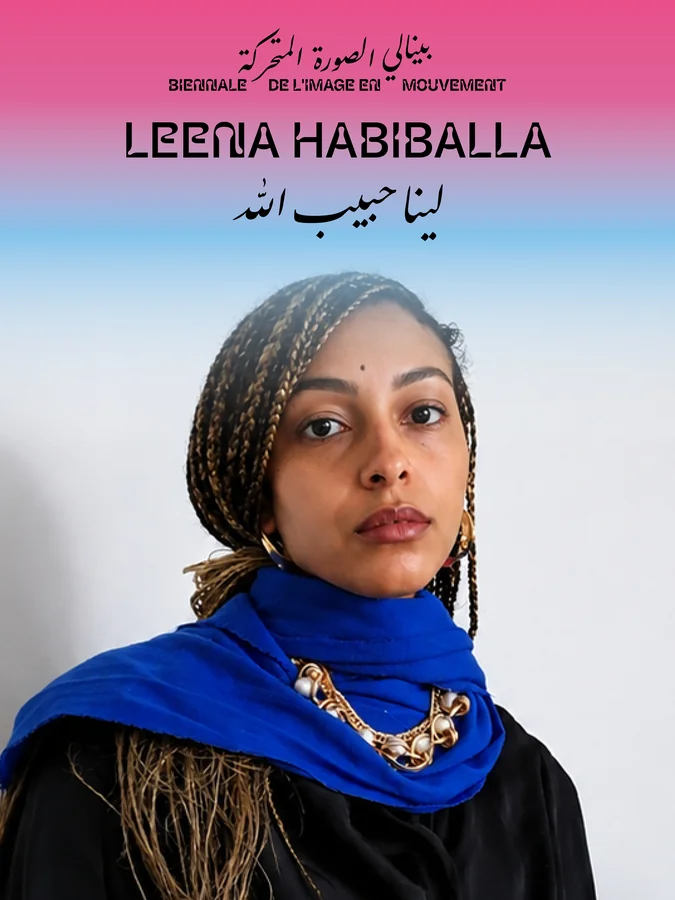 Leena Habiballa
- Moderator
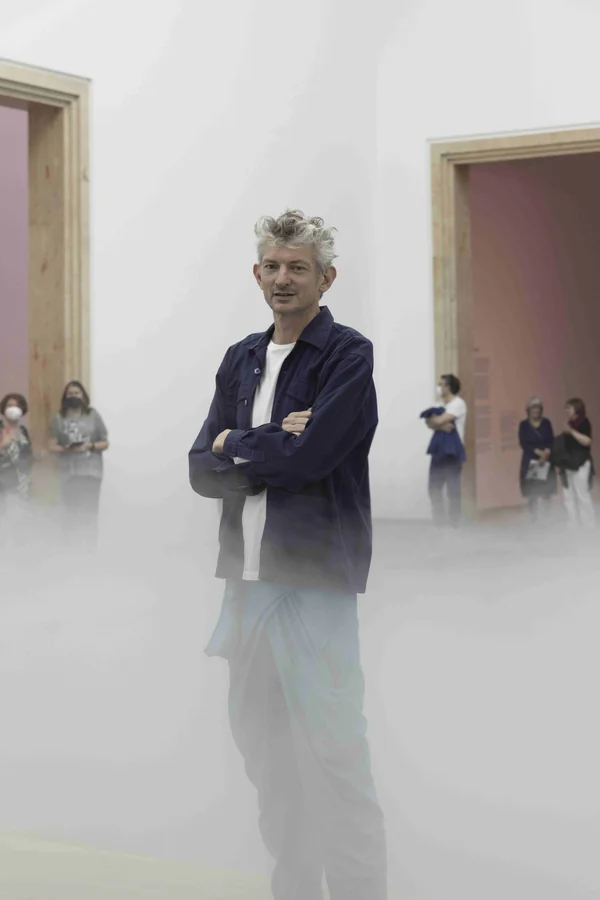 Andrea Lissoni
- Tue 27 Oct13:0013:4545 minClosing Act
Black Med, Chapter VIII (2021–2026)
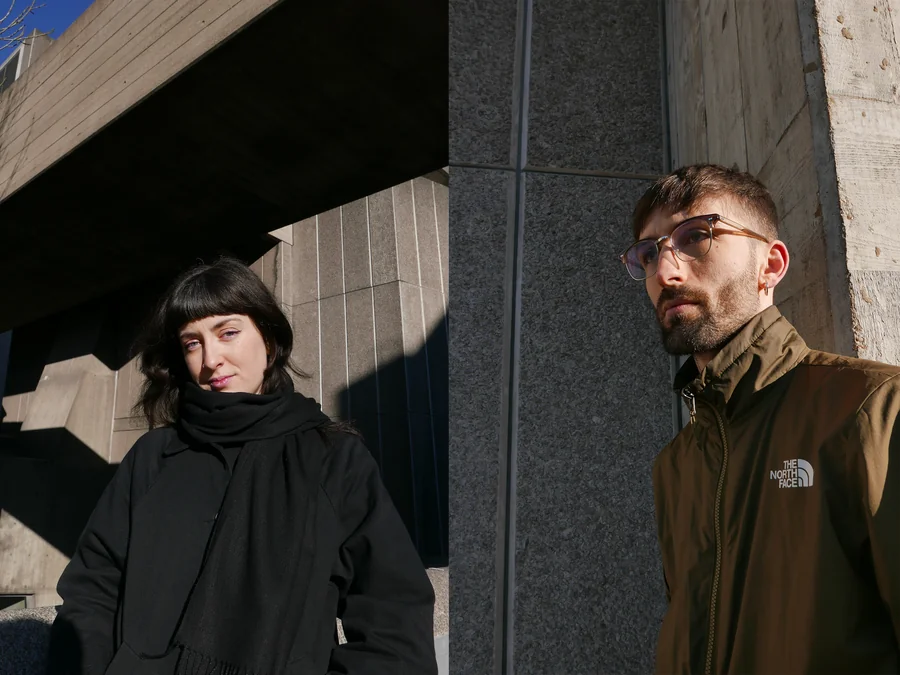
InvernomutoRead moreBlack Med is the investigation and documentation project that Invernomuto has been pursuing since 2018: a continuous and avowedly non-geographical selection of songs, stories, and paths across the Mediterranean.
Divided into different chapters, the Black Med listening sessions are based on a DJ set supported by a series of projected slides containing theoretical texts and backstories related to the musical pieces, grouped around elegiac themes. The sessions explore different trajectories of sound, touching on topics such as alternative uses of technology, migration, peripheries, and interspecies relations.
Black Med, Chapter VIII – commissioned by OGR (Turin) on the occasion of The European Pavilion – outlines a possible narrative of European identity that is articulated and multifaceted, as opposed to xenophobic simplifications. A sound journey through different borderlands that thwarts narratives based on the immobility of borders: landlines, oceans, and borders armed by European Union states are plowed through to show the incoherence of a Europe that shuns its transnational and migratory roots.
Presented as part of Shluq, a programme by Chullu Agency in collaboration with the Italian Institute of Culture in Tunis.
- Speaker
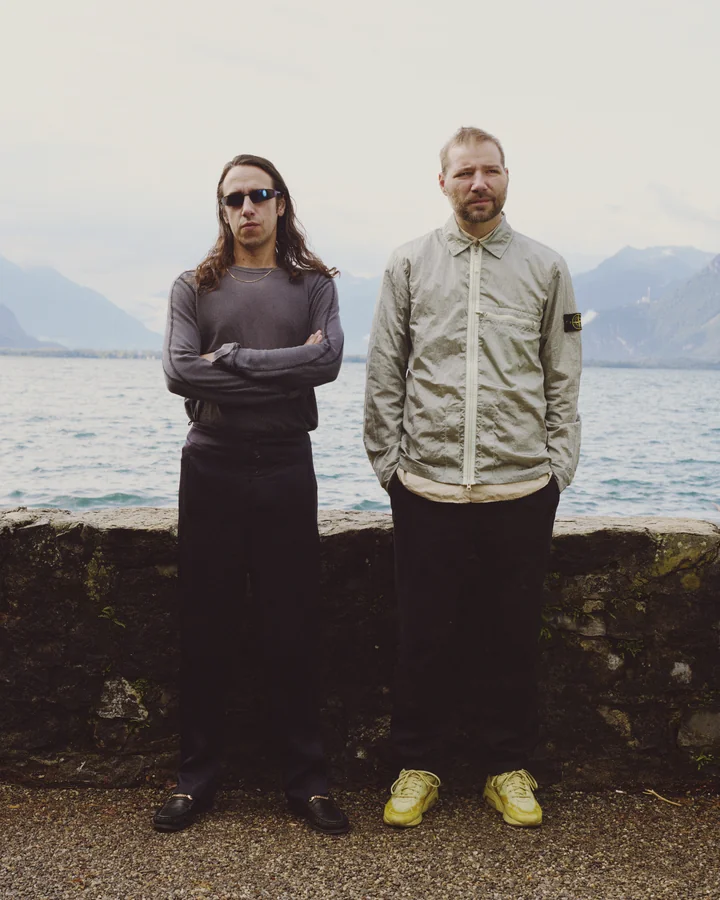 Invernomuto