About BIM'26
Co-produced by the Centre d'Art Contemporain Genève and the Kamel Lazaar Foundation, BIM'26 is a dedicated platform for moving image that seeks to establish a sustained space for artistic production, critical inquiry, and transregional dialogue across the Global Majority. Premiering exceptionally outside Switzerland, it brings together an exhibition in Tunis, a public programme, and a co-edited publication.
Co-curated by Lina Lazaar and Andrea Bellini, the exhibition brings together 16 newly commissioned artists from Africa, the Arab world, Latin America, Asia, and their diasporas.
Presented at Caserne El Attarine, a historic nineteenth-century military barracks in the heart of the Medina of Tunis, the exhibition opens on 24 October 2026 and remains on view until 22 November 2026 .
From Tunis, BIM’26 will continue its journey to Venice, Brussels, Geneva and London.
Becoming The Ocean
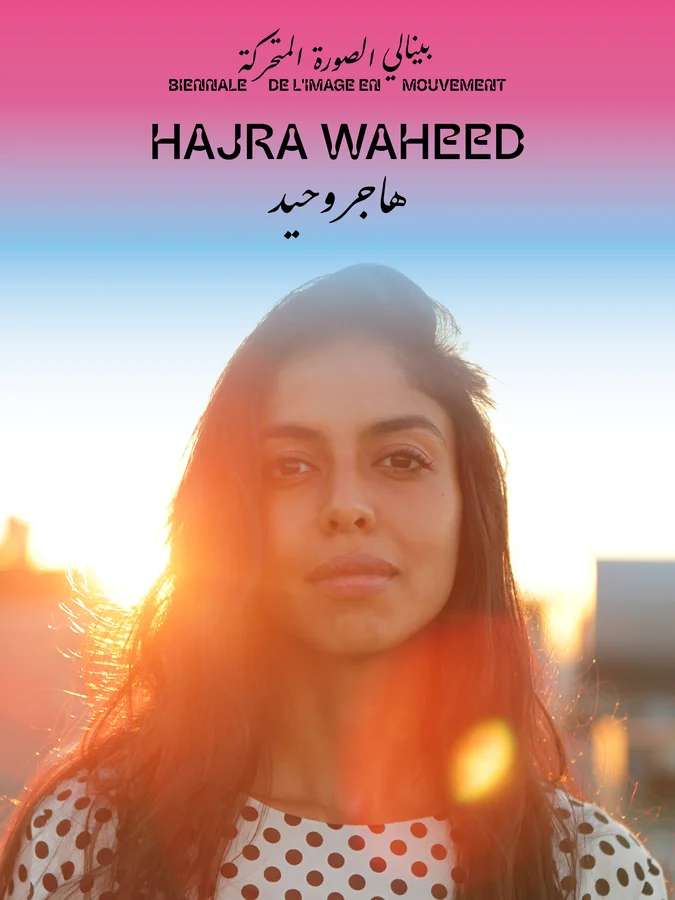
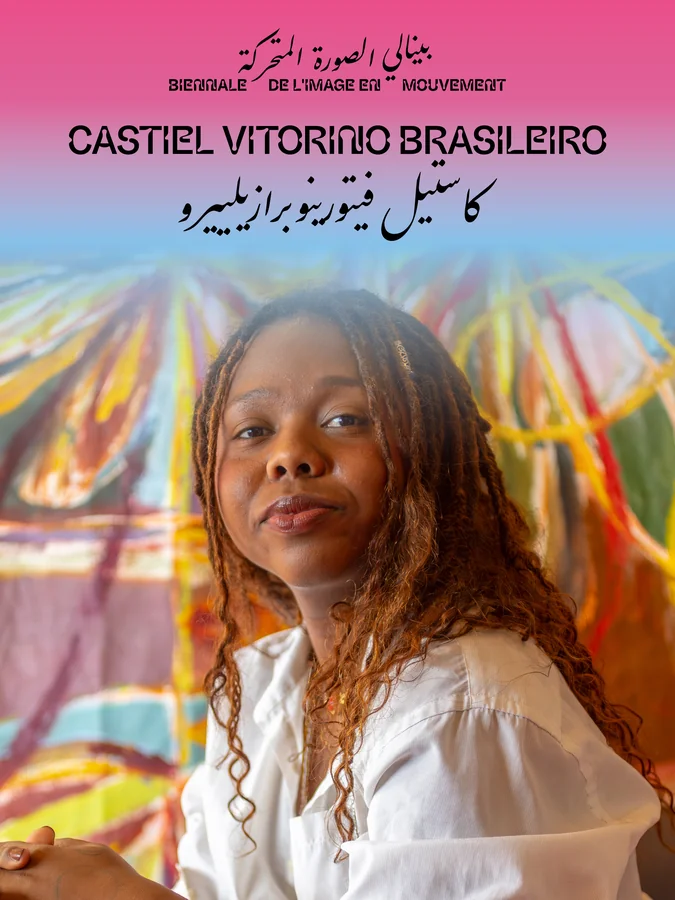
Artists: Tabarak Allah Abbas, Younès Ben Slimane, Mona Benyamin, S.A. Chavarría, Leena Habiballa, Roman Selim Khereddine, Zein Majali, Alaa Mansour, Paulo Nazareth, Liv Schulman, Diane Severin Nguyen, Hildegard Titus, Natasha Tontey, Castiel Vitorino, Hajra Waheed, Sarah Zeryab
There are moments in history when systems do not simply decline. They intensify.
Political orders cling more fiercely to exhausted certainties. Borders harden. Surveillance expands. Ecological collapse accelerates. Colonial logics reassert themselves in new forms. What appears as stability may instead be a desperate attempt to preserve a world already slipping away.
Artists

Venue
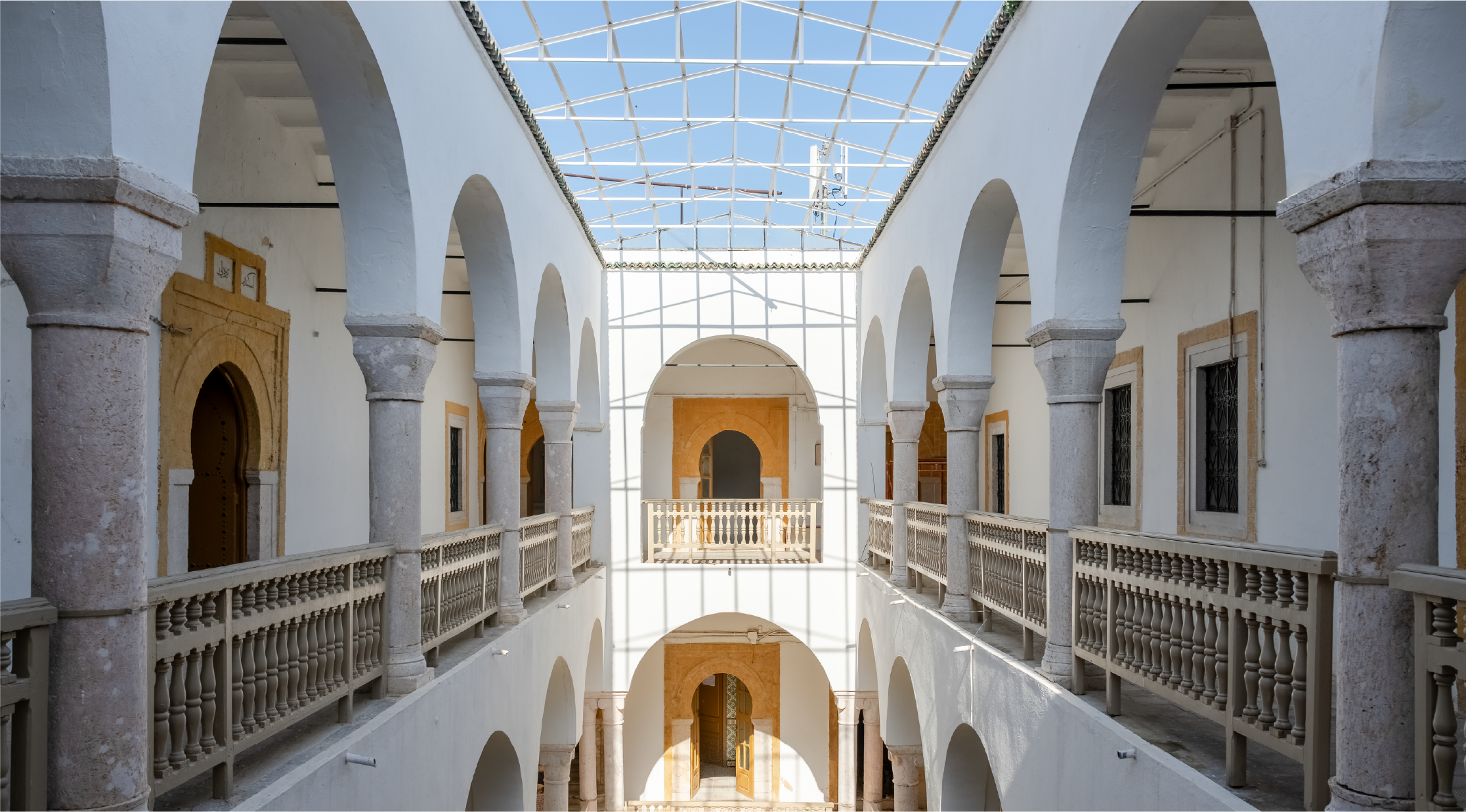
The venue chosen for this biennale sits in the heart of one of the most remarkable surviving urban landscapes in the Islamic world and the Mediterranean basin, at the centre of vibrant, historical Tunis. It is surrounded by a dense constellation of some of the city's most celebrated monuments, mosques, madrasas, funduqs, baths, markets, palaces, mausoleums, and cafés, spanning various periods and architectural styles ranging from the early medieval and Ottoman eras to French colonial times.
The building is referred to as a “Qishla” (قشلة), a word of Turkish origin meaning “barracks” (Kışla, also spelled Kishle). The origins of these military structures are closely tied to the history of the Ottoman Janissary corps, to the Dervisme system which involved the enslavement of children for military purposes and the Bektashi Sufi order.
The provinces of the Ottoman Empire, like Tunis, retained such barracks and new ones were even built long after the dissolution of the Janissary corps in 1826. They became symbols of state power, housing, often without distinction, the police, the gendarmerie, or the armed forces within cities or in their citadels.
Like Algiers, Jerusalem, Aleppo, Baghdad, Acre, and many other cities, Tunis preserved and transformed its unique set of Quechla structures, all built during the first half of the 19th century and have become part of its urban heritage. Of those structures, Qishlat al-ʿAttārīn is the most impressive example.